Choose the operating route with its limits visible
RAS or open pond / flow-through?
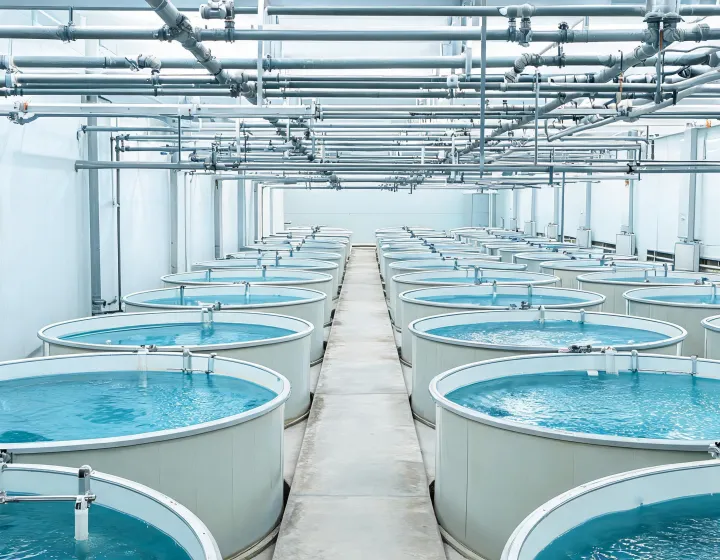
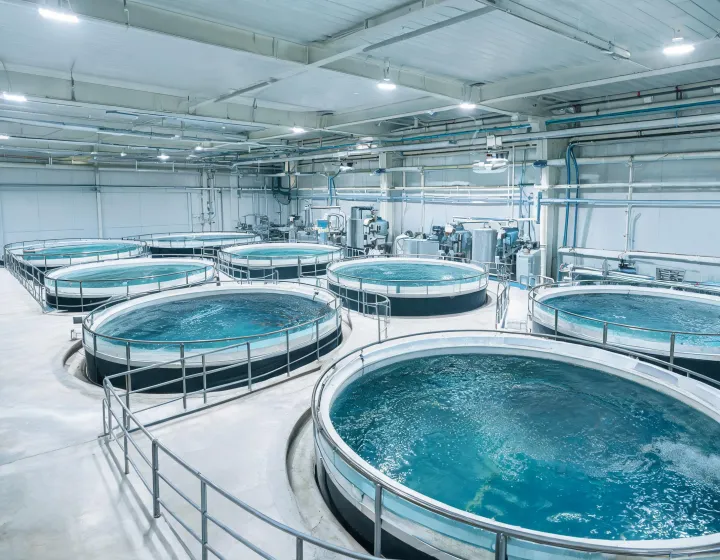
A recirculating arrangement can support closer control of the water loop, but adds pumping, treatment, monitoring and emergency response responsibilities. Open pond or flow-through approaches may offer a simpler equipment scope where land and water conditions suit them, while exposing the project to different seasonal and discharge constraints. Compare measured site conditions and whole operating cost; no universal water-saving percentage is claimed.
Central treatment or independent loops?
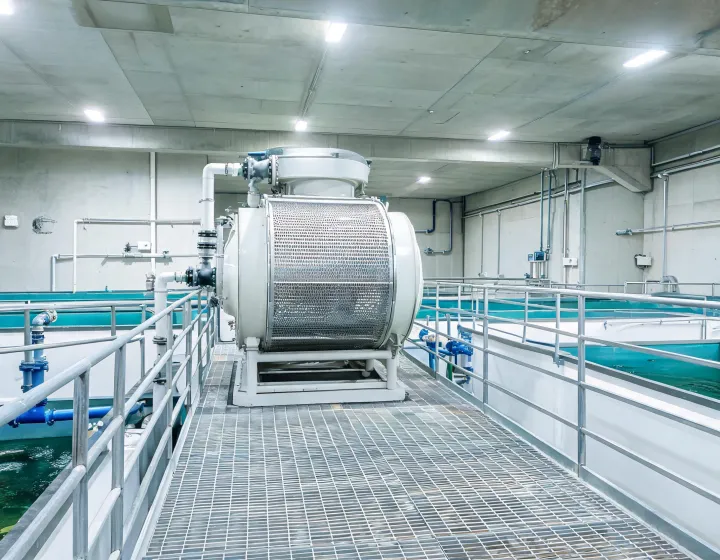
Shared treatment can consolidate equipment and maintenance tasks. Independent loops can separate operating groups but duplicate some hardware and controls. Compare isolation boundaries, spare capacity, cleaning access and the consequences of a fault before treating either architecture as a cheaper equivalent.
What is a practical verification path?
Give the supplier a consistent species and feed basis, source-water results and proposed flow in m³/h. Request its calculations and duty points, agree a witnessed inspection method, then record actual test conditions and deviations against the written criteria. Validate site-specific obligations with the responsible project professional.
Consult the FAO system reference for terminology. Proceed to inquiry options with the application and US destination documented.